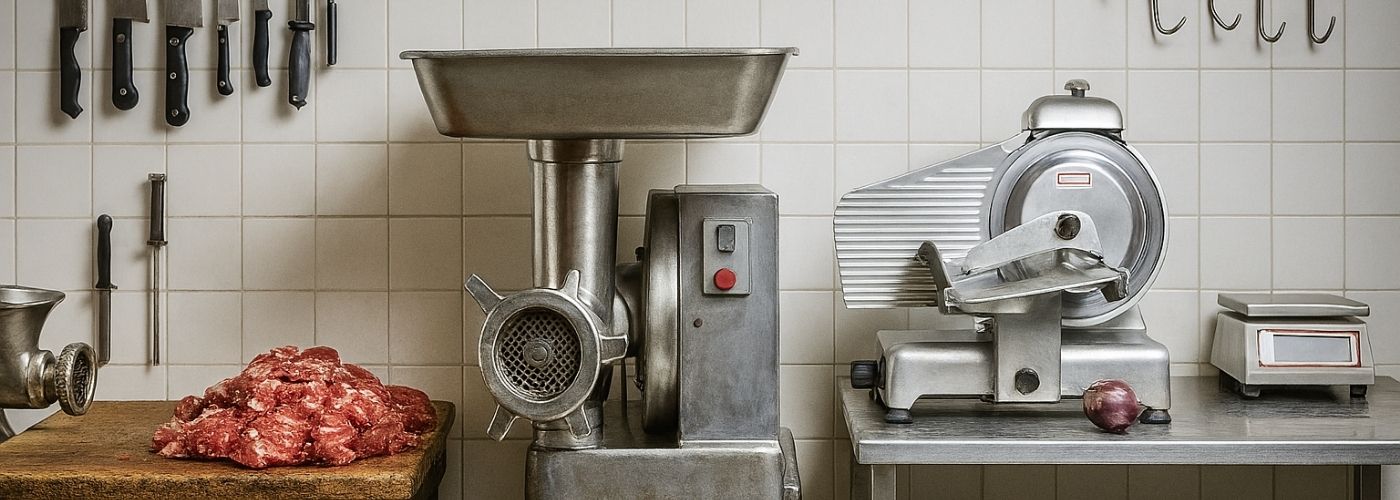
Whether you’re cutting for retail counters, crafting small-batch sausages, or running a busy prep room, having the right butchers tools is the difference between smooth, safe workflows and wasted time. If you’ve ever wondered what tools do butchers rely on day-to-day, or how professionals use butchers equipment to get consistent results, this guide lays it all out—clearly, practically, and in the friendly, professional tone you expect from PFM Plus. You’ll also find where to source dependable butcher supplies that stand up to real production pressures.
Explore our full processing lineup here: PFM Plus – Processing Machinery & Equipment.
And for quick wins, see: The Top 5 Time-Saving Tools Every Butcher Should Have.
The Top 20 Tools Every Butcher Should Know
- Boning Knife (Flexible or Semi-Stiff)
Your precision hero for separating muscle from bone, tracing seams, and minimizing trim waste. A sharp, well-balanced boning knife improves yield and reduces fatigue—exactly why seasoned teams use butchers equipment that’s ergonomic and durable.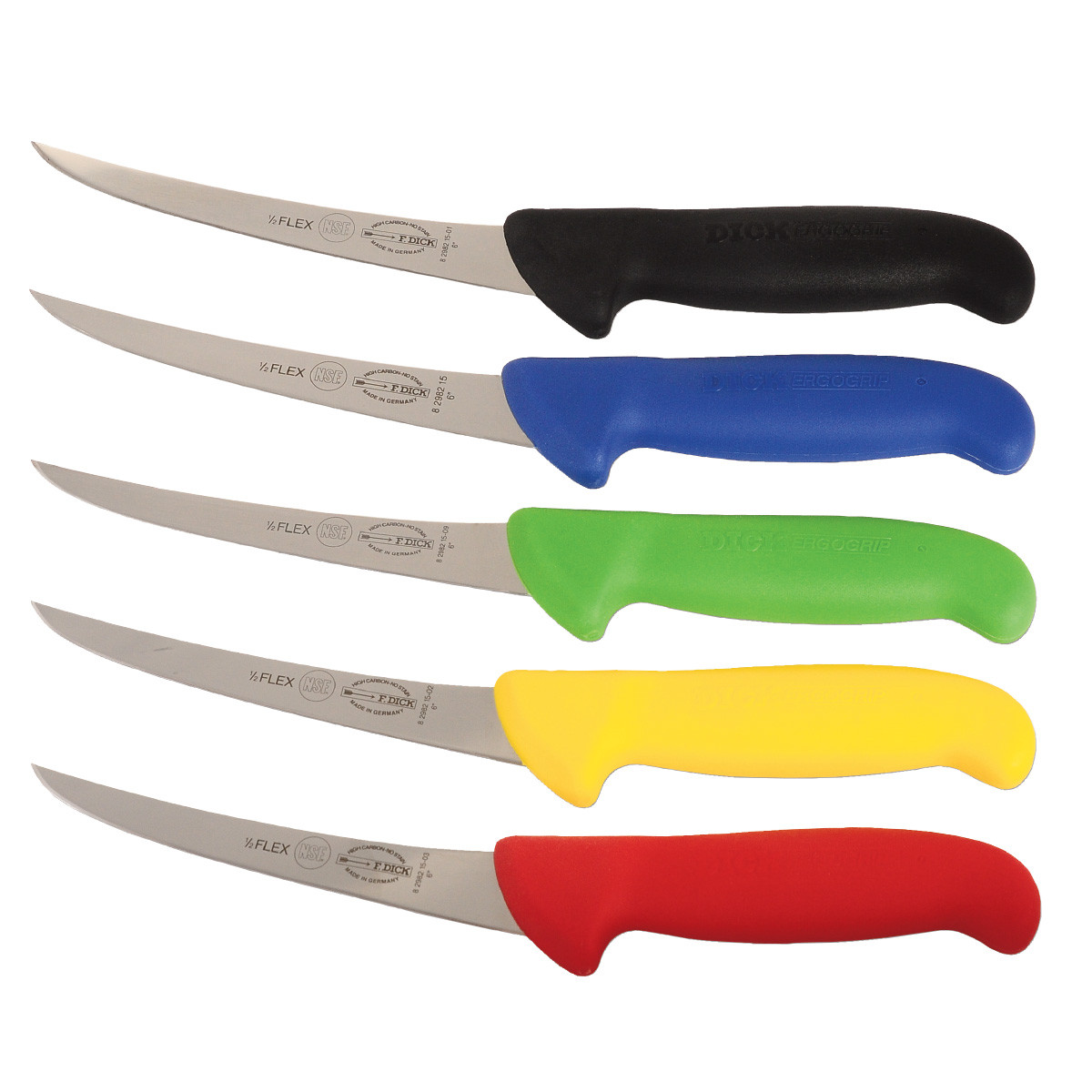
- Breaking Knife
Built for larger primals, it gives you controlled, sweeping cuts when portioning beef rounds, pork shoulders, or lamb legs. The right profile helps maintain clean lines for attractive, profitable cuts.
- Scimitar / Cimeter Knife
Ideal for trimming and portioning steaks. The long, slightly curved blade lets you slice in a single pass, preserving texture and appearance—critical in retail displays.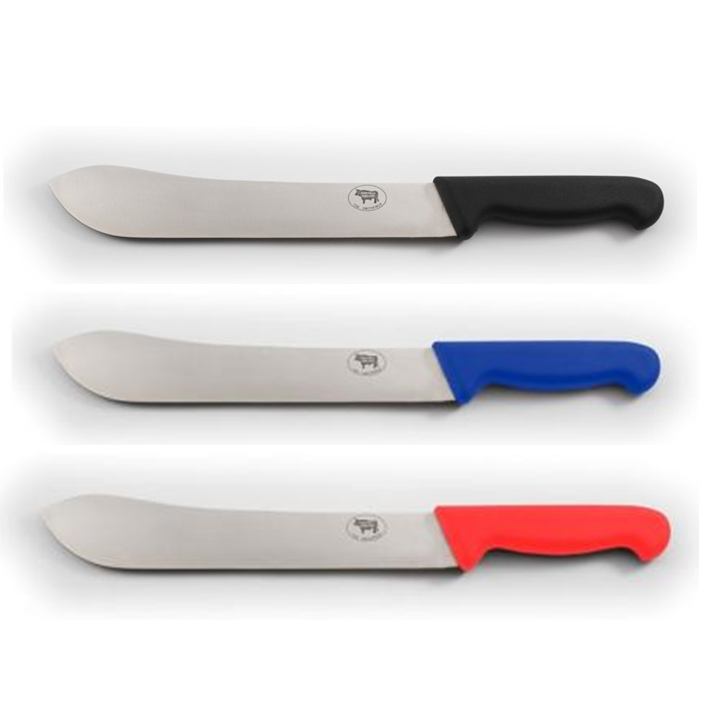
- Meat Cleaver
From splitting small bones to portioning poultry, a cleaver combines weight and balance. Choose a cleaver that holds an edge and boasts a solid, non-slip handle for safer work.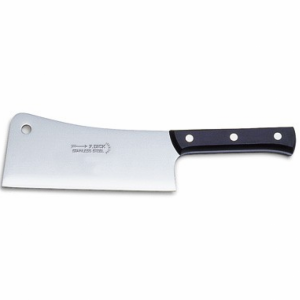
- Handsaw / Butcher’s Saw
Still indispensable for manual bone work and on-the-spot adjustments when a band saw isn’t practical. Look for rigid frames and replacement blades that swap fast.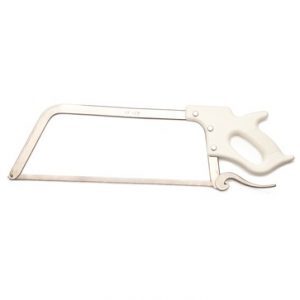
- Honing Steel & Sharpening System
Honing realigns your edge between cuts; periodic sharpening restores blade geometry. Together, these butchers tools extend knife life, improve safety, and keep output consistent across long shifts.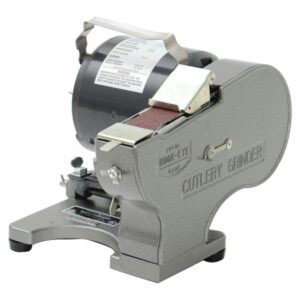
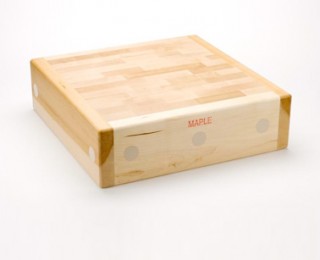
- Cutting Boards & Blocks (Food-Safe, Colour-Coded)
Durable, non-porous boards protect both your edges and HACCP compliance. Colour coding helps prevent cross-contamination when switching from raw meats to cooked or ready-to-eat items.
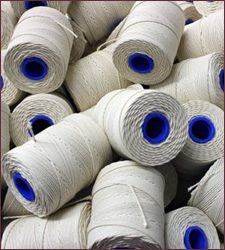
- Butcher’s Twine & Netting
Essential for tight roasts, roulades, and uniform cook-downs. Consistency here translates to even cooking and a tidy counter presentation.
- Meat Grinder / Mincer
From burgers to artisan sausages, a quality grinder handles throughput without smearing. Match plate sizes to recipes and keep components cold for clean particle definition.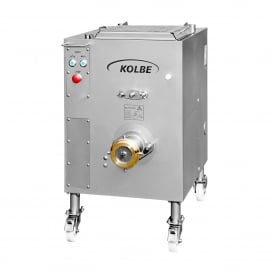
- Sausage Stuffer
Dedicated stuffers protect texture by reducing heat and smear. Straightforward sanitation and fast changeovers help small shops scale recipes efficiently.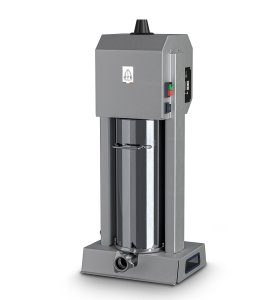
- Meat Slicer
For deli lines or portion control, a slicer produces uniform thickness with minimal trim. Safety guards and easy-clean design are non-negotiable in busy rooms.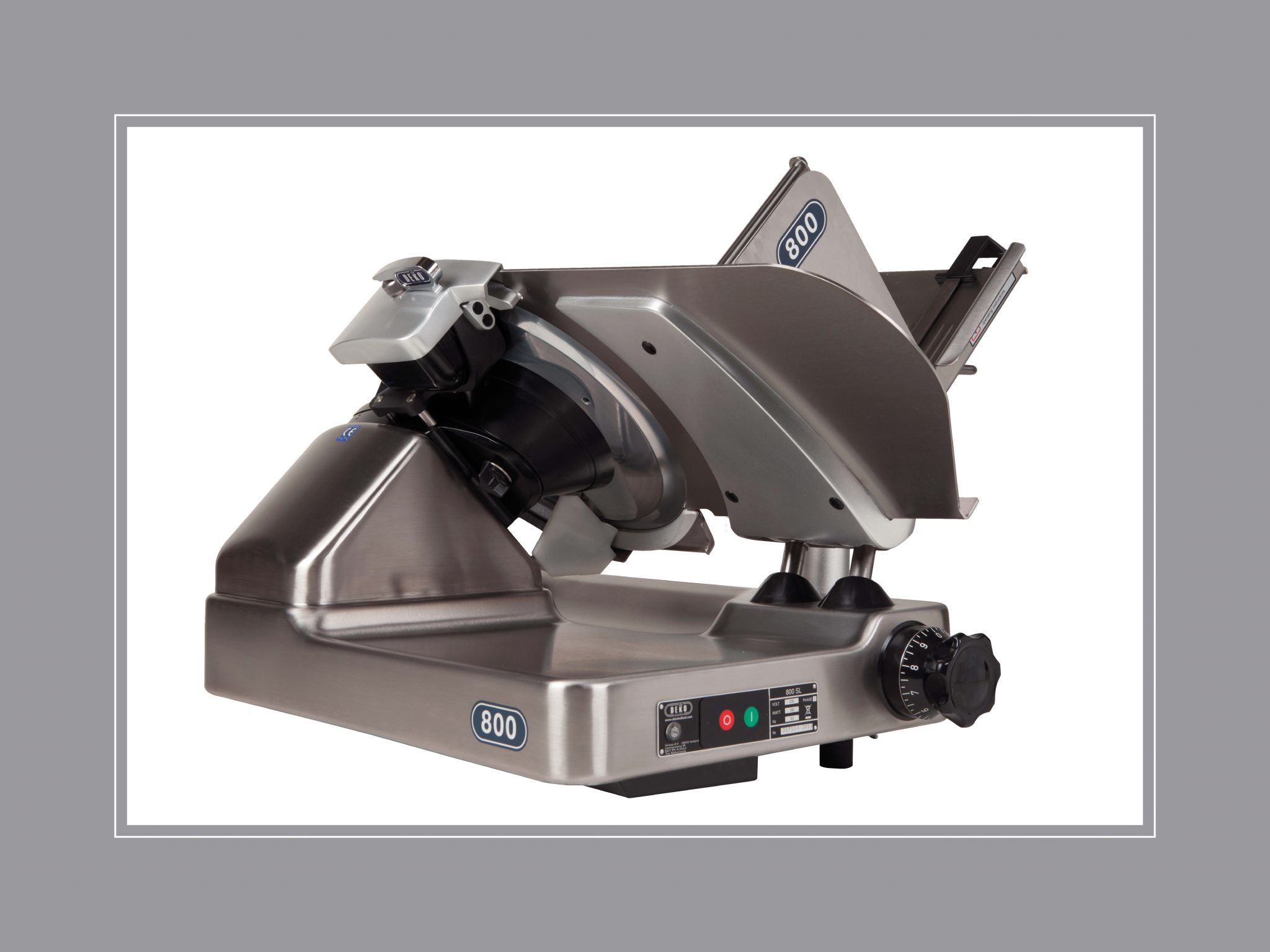
- Band Saw
When volumes demand speed and precision on bone-in cuts, a band saw delivers. Choose reliable blade tracking, tool-less tensioning, and robust guards to use butchers equipment with confidence.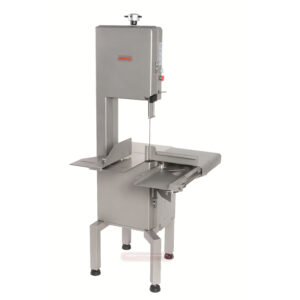
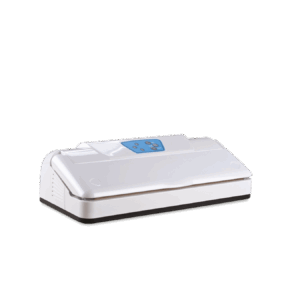
- Vacuum Sealer & Barrier Bags
Extends shelf life, locks in colour, and reduces freezer burn. Good seals mean fewer returns and better brand trust—key for wholesale and retail alike.
- Calibrated Scales
Legally compliant scales ensure accurate pricing and recipe control. Routine calibration maintains trust at the till and consistency in production batches.
- Probe Thermometers (Instant-Read & Logging)
Temperature verification underpins food safety. Instant-read probes validate center temps; logging probes monitor chillers, smokers, and hot-hold zones.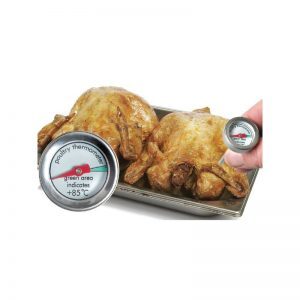
- Hooks, Gambrels & Rails
From carcass handling to short hangs, proper hardware improves ergonomics and reduces contamination risk. High-grade stainless helps with longevity and clean-downs.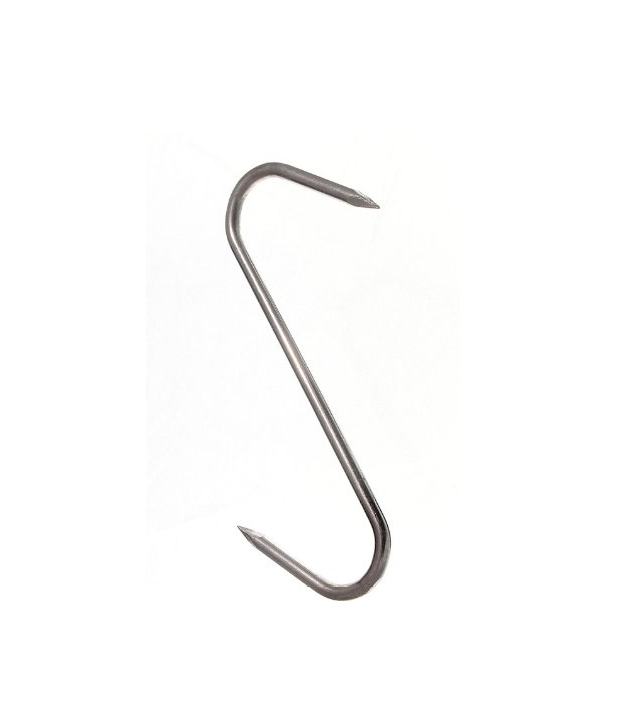
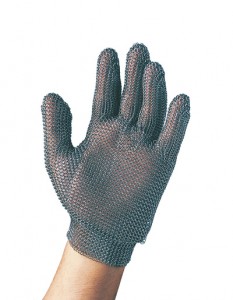
- Cut-Resistant Gloves & PPE
Protect hands without sacrificing dexterity. Pair with waterproof aprons and sleeve guards for a safer, cleaner station.
- Sanitation Station (Food-Grade Chemicals & Tools)
Clean knives cut better and last longer. Structured cleaning schedules, right detergents, and sanitizer test strips keep audits straightforward and your team safe.

- Stainless Worktables & Racking
Smooth welds, robust bracing, and adjustable feet provide stable, hygienic work surfaces that handle real-world loads and frequent washdowns.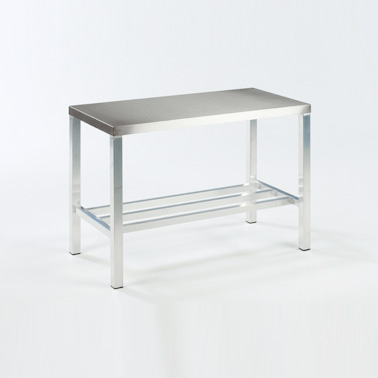
- Labels, Printers & Traceability Tools
Clear, durable labels with batch/lot data simplify recalls, rotation, and customer confidence. Traceability is no longer a “nice-to-have”—it’s core to modern meat operations.
How These Tools Work Together in Real Production
A well-set station reduces motion waste and protects margins. For example, pairing a sharp boning knife (regularly honed) with stable cutting boards and a nearby sanitation caddy keeps yields high and switchover time low. A grinder matched to your daily throughput, followed by a dedicated stuffer, preserves particle definition and snap in sausages. Add calibrated scales for exact spice ratios, probe thermometers for cook validations, and vacuum sealing for shelf life—and you’ve built a lean, quality-first flow around the right butchers tools.
If you’re mapping new processes and asking yourself what tools do butchers actually need for your product mix (traditional cuts, value-added lines, or ready-to-cook packs), start with throughput, then match equipment grades accordingly. Smaller shops use butchers equipment that prioritizes versatility and ease of cleaning; higher-volume rooms step up to band saws, larger mince heads, and continuous-duty motors. And don’t overlook butcher supplies like twine, netting, and labels—the small things quietly control quality, consistency, and presentation.
Choosing Quality Over Compromise
Not all gear is created equal. Inexpensive blades that roll over mid-shift, slicers that are hard to clean, or vacuum sealers with unreliable seals add hidden cost. The smartest upgrade path focuses on durability, food safety, and speed of sanitation. That’s how professionals use butchers equipment to unlock capacity without sacrificing craftsmanship.
At PFM Plus, we curate dependable butcher supplies and machinery that support real-world demands—from knives and PPE to grinders, stuffers, slicers, and vacuum systems. Explore the full range here: PFM Plus – Processing Machinery & Equipment. If you’re still evaluating what tools do butchers prioritize for time savings, don’t miss our guide: The Top 5 Time-Saving Tools Every Butcher Should Have. It’s a practical companion to this deeper dive.
Final Thoughts
Building your toolkit is really about building your workflow: safer stations, faster changeovers, better yields, and product consistency your customers can taste. With the 20 essentials above—and the right partner for parts, service, and advice—you’ll put your butchers tools to work every day, with fewer headaches and better margins. When you’re ready to source reliable butcher supplies, compare options, or plan a phased upgrade, PFM Plus is here to help you choose wisely and scale confidently. Because the best results don’t come from one purchase; they come from the way all your butchers tools work together—clean, sharp, and built for the pace of your shop.